
Someone We Know
This past July gave me a week I will never forget, one that broke my heart and, in the same breath, reminded me how deeply people can love one another. My cousin and her husband lost their son to suicide. Their two children lost their brother. And all of us, his grandparents, aunts and uncles, cousins, and friends, lost someone we loved.
He was just 19, fresh out of high school. He was a treasure in our family: warm, loving, full of life, and one of the kindest souls you could meet. He loved golfing, jet skiing, snowboarding, fishing, and picking up his guitar. Led Zeppelin was his favorite band, which made him a kid after my own heart, a young man who appreciated the music of generations before his. He loved his family and his friends with his whole heart. But beneath all of that, he was hurting.
His journey had highs and lows, and there were real reasons for hope along the way. There were stretches when he seemed to be turning a corner. He laughed. He said, “I love you.” He hugged us. He opened up and talked. We reassured ourselves that healing takes time and that he was going to be all right. Some days were hard on everyone. That’s what the highs and lows look like from where the rest of us stand.
His parents did everything a family could possibly do. Therapy. Doctors. Clinics. Hospital stays. And yes, tough love when it was needed. They showed up for him in every way imaginable.
In the end, he was exhausted, and his pain convinced him there was no other way out. That was the illness speaking. It was not the truth.
How You Can Help Someone Who May Be Struggling
You don’t need to be a therapist or a counselor. You just need to be a friend, a family member, or a coworker who cares. More often than not, you don’t convince someone there’s another way out. You show them. Most people who are thinking about suicide aren’t really choosing to die. They’re searching for an escape from pain that feels unbearable and endless. The most helpful thing you can do is help them feel less alone and connect them with people who can ease that pain.
Ask the question directly. It’s scary, I know. But asking “Are you thinking about suicide?” will not put the idea in someone’s head. It signals that they can be honest with you, and many people feel genuine relief when someone finally asks. Don’t talk around it. Use the word.
Listen more than you speak. Fight the instinct to fix things, debate them, or run through all the reasons they have to live. Even with the best intentions, that can come across as brushing off what they’re feeling. Try something like this instead:
“That sounds so painful. I’m really glad you told me.”
“Help me understand what this has been like for you.”
“You don’t have to carry this alone.”
Talk about the pain, not the way out. This is where you can help them see another path. You might say:
“I hear that you want the pain to end. I want that for you too. There are people who can help, and I’ll help you find them.”
“What you’re feeling right now is real, but it can change, even if it doesn’t feel that way today.”
“Your mind is telling you there are no other options. That’s the pain talking. It isn’t the truth.”
Connect them with support, right away if you can. Offer to stay with them while they call or text 988, or make the call together. Help them get in touch with a doctor, a therapist, or their Employee Assistance Program. If they’ve mentioned a plan, or you believe they’re in immediate danger, call 911 or get them to an emergency room, and don’t leave them alone.
Help make their environment safer. Where you can, help limit their access to anything they might use to harm themselves. A suicidal crisis often passes, and putting time and distance between a person and the means can save a life.
Check in afterward. A simple text the next day, “Thinking of you. How are you today?”, means more than most people will ever know.
Really listen. Most of us believe we’re good listeners. But are we, truly? Set judgment aside. Be fully present. Ask what you can do to help, and mean it.
Resources
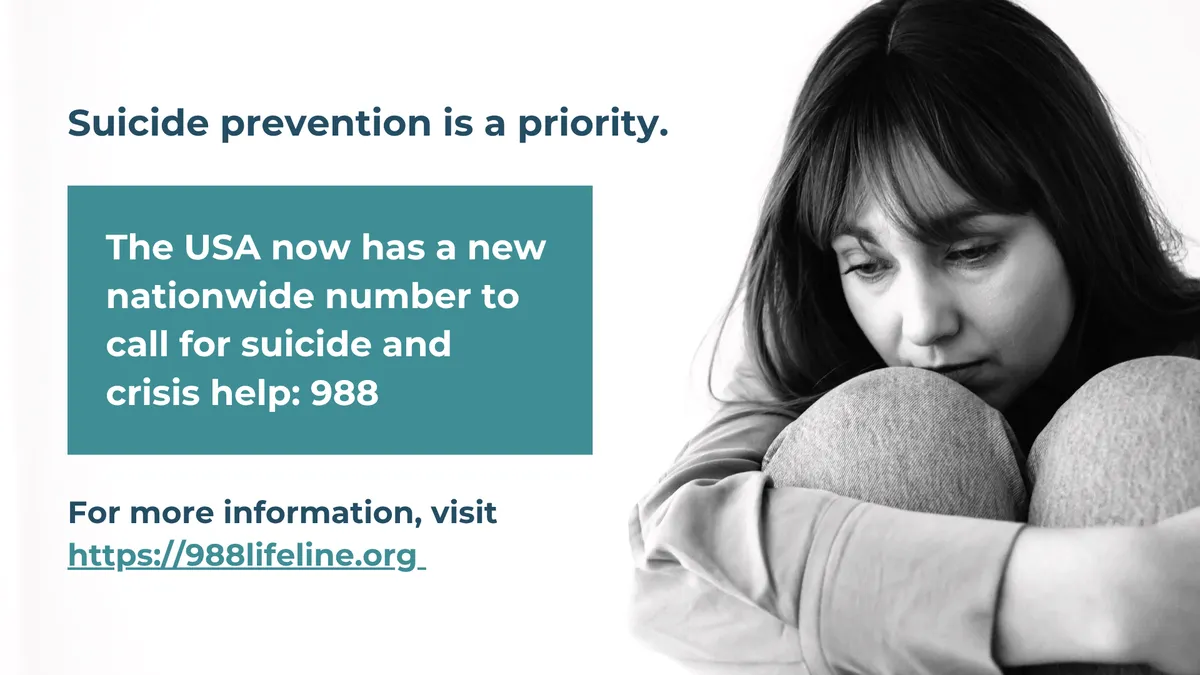
988 Suicide and Crisis Lifeline: call or text 988, or chat at 988lifeline.org
Crisis Text Line: text HOME to 741741
Emergency: call 911
Your Employee Assistance Program (EAP)
We miss him every single day, and our family is doing everything we can to shine a light on this crisis. Suicide is taking far too many lives, and behind every statistic is a family, a team, and a workplace forever changed. Awareness matters, but awareness alone isn’t enough. Employers have a genuine role to play, and we must do more: train our leaders, open up the conversation, and make it easy for people to find help when they need it.
When we hear about suicide, it’s easy to think of it as something that happens to other people. It doesn’t. It happens to someone we know: a coworker, a neighbor, a friend, a family member. So please, ask the question. Listen. Check in. You may never know whose life you changed, but you’ll never regret reaching out.